
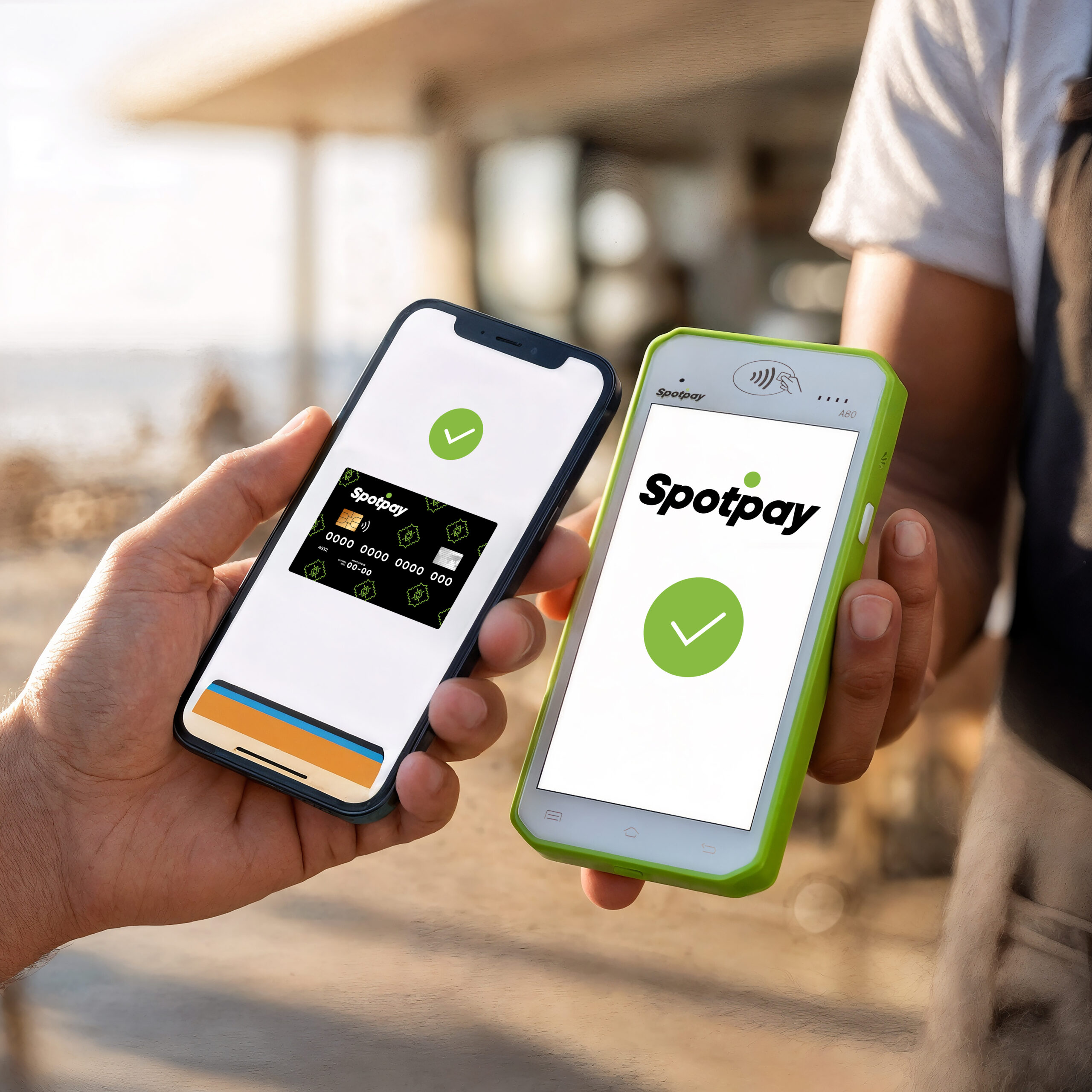
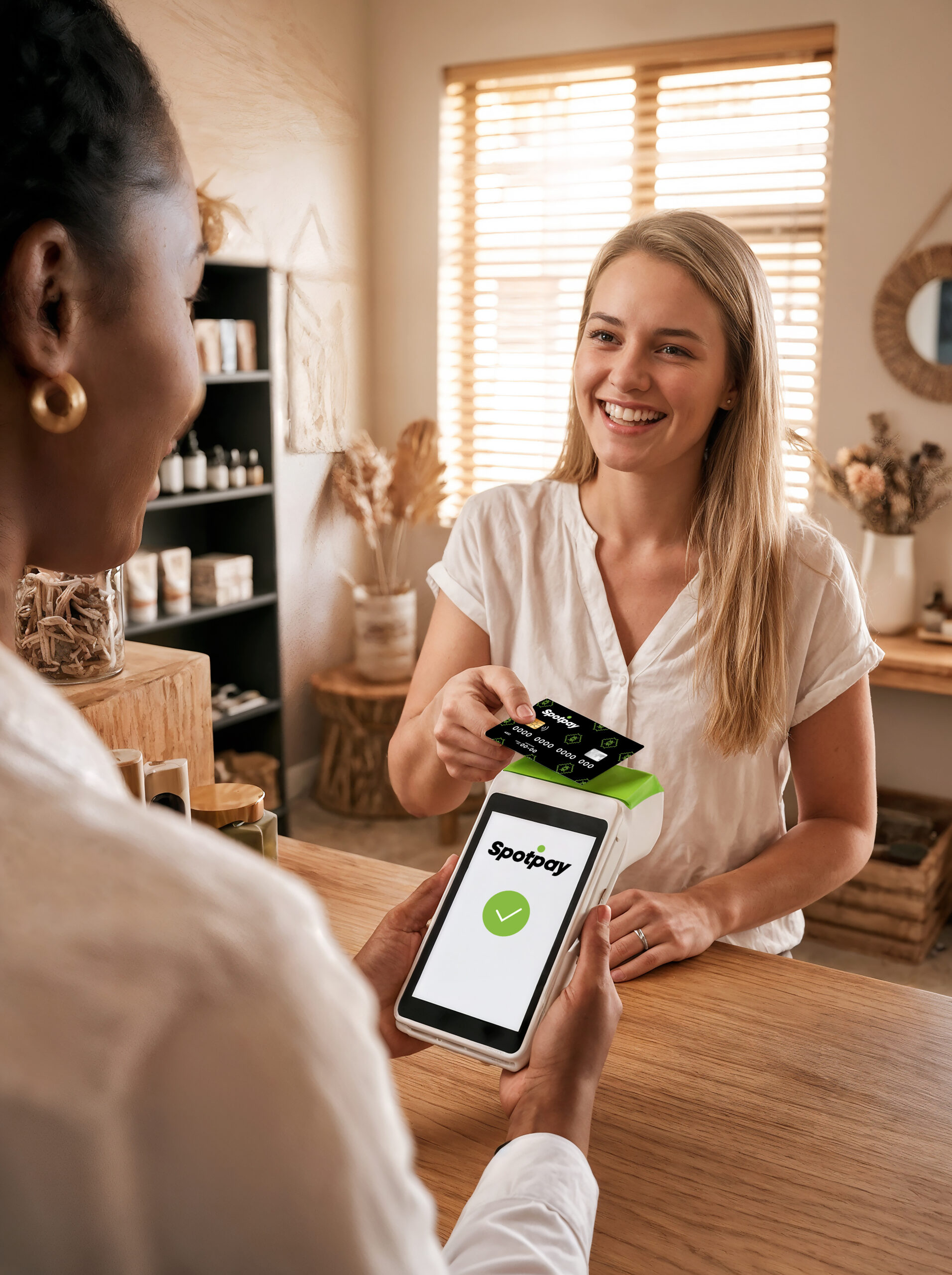
The future of Point of Sale: A conversation with the Spotpay MD Mpiwase Mabandla
Question: What does the future of POS look like in South Africa’s informal market?
Mpiwase: The future is not simply about putting more POS machines into spaza shops. It is about turning POS into the digital operating system of the informal business.
A future POS solution will combine payments, stock management, sales reporting, airtime and electricity sales, supplier ordering, loyalty, digital receipts, business analytics and potentially access to financial services.
This is particularly important because the informal merchant already has a strong customer relationship and a physical presence in communities. The opportunity is to use POS technology to make that existing business more efficient, more visible and more financially connected.
Question: If POS is already widely used in the informal market, where is the real opportunity?
Mpiwase: The biggest opportunity is to move from payments to services.
The first generation of informal-market POS largely solved the problem of accepting a payment or selling services such as airtime and electricity. The next generation can solve much bigger problems for the merchant.
For example, a POS platform could tell a spaza owner:
- What products are selling fastest?
- When should they reorder?
- Which supplier offers the best price?
- How much did the business make today?
- How much cash versus digital payment was received?
- What are the merchant's busiest trading periods?
- Can the business qualify for working-capital finance based on its transaction history?
That creates a much deeper relationship with the merchant. The POS becomes the gateway to the merchant's entire financial and commercial ecosystem.
Question: Will cash disappear from the informal market?
Mpiwase: No; and that is an important point for anyone developing POS solutions for South Africa. The future is more likely to be cash + card + QR + instant account-to-account payments, rather than a purely cashless informal economy.
Cash remains deeply embedded in township and informal commerce, and the SARB explicitly recognises that cash and digital payments are complementary rather than simply substitutes. The winning POS platforms will therefore need to accommodate the real behaviour of the merchant and customer, rather than trying to force them into one payment method. The opportunity is to make digital payments so convenient, affordable and trusted that merchants naturally use them alongside cash.
Question: What will make the next generation of informal-market POS different?
Mpiwase: Affordability, simplicity and interoperability.
An informal trader does not necessarily want a complicated enterprise system. They want something that works, is affordable, survives the realities of their environment and helps them make money. The next generation should therefore be:
Simple: Easy enough to operate without extensive training.
Affordable: Low upfront cost and transparent transaction pricing.
Connected: Able to accept multiple payment methods rather than locking the merchant into one network.
Intelligent: Turning transaction data into useful business insights.
Financial: Potentially connecting successful merchants to savings, insurance, working capital and other financial services.
Interoperable: Able to work across different payment networks and providers.
Question: Where is the biggest untapped opportunity in informal-market POS?
Mpiwase: The biggest opportunity may not be the POS transaction itself it is the data and ecosystem around the transaction.
Once a merchant consistently records sales digitally, you potentially have a much better understanding of the real performance of a previously underserved business.
That can unlock:
POS → transaction history → business visibility → credit → stock finance → supplier relationships → insurance → broader financial inclusion.
This could be transformational because many informal businesses have historically struggled to demonstrate their turnover and financial performance to formal financial institutions.